
History helps us understand the world; where we’ve come from and how we got here. Yet only 12 per cent of history lessons in schools in England and Wales feature women as their focus. My book Great Women of London: A History of the Rebels Who Inspired Others tells the stories of 15 women who changed our society, looking beyond only elite, high-profile suffragettes to the everyday heroes that quietly changed society.
From teetotallers to anti-fascist crusaders, welfare reformers to LGBTQ+ trailblazers, Pan-Africanist pioneers and more, here are five new role models to embrace.
Muriel Lester (1883-1968)
Muriel discovered Tolstoy as a teenager, turning her life of lawn tennis and cocktail parties upside down. She developed a passion for non-violent resistance and Christian socialism and began a lifetime’s work battling social injustice in the East End.
One of the biggest social issues of the time was a lack of social spaces for working class people. The only place to spend leisure time was in the pub, with alcoholism plighting many lives. Murial, her siblings Doris and Kingsley, and a group of locals decided to take over an abandoned building and turn it into a teetotal pub – a communal living room where people could meet friends. It would be run by locals for locals ‘without profit or propaganda’.
Using money left in Kingsley’s will when he died in 1914, the ‘pub’ became his legacy, opening in 1915 as Kingsley Hall. It provided food during the 1926 General Strike; accommodated the 1936 Jarrow Hunger Marchers; delivered adult education and housed a nursery set up by Doris, pioneering new ideas in early years education. When Gandhi visited Britain in 1931, he stayed at Kingsley Hall rather than the elegant homes he’d been offered in west London, explaining that he preferred to be among the people of the East End.
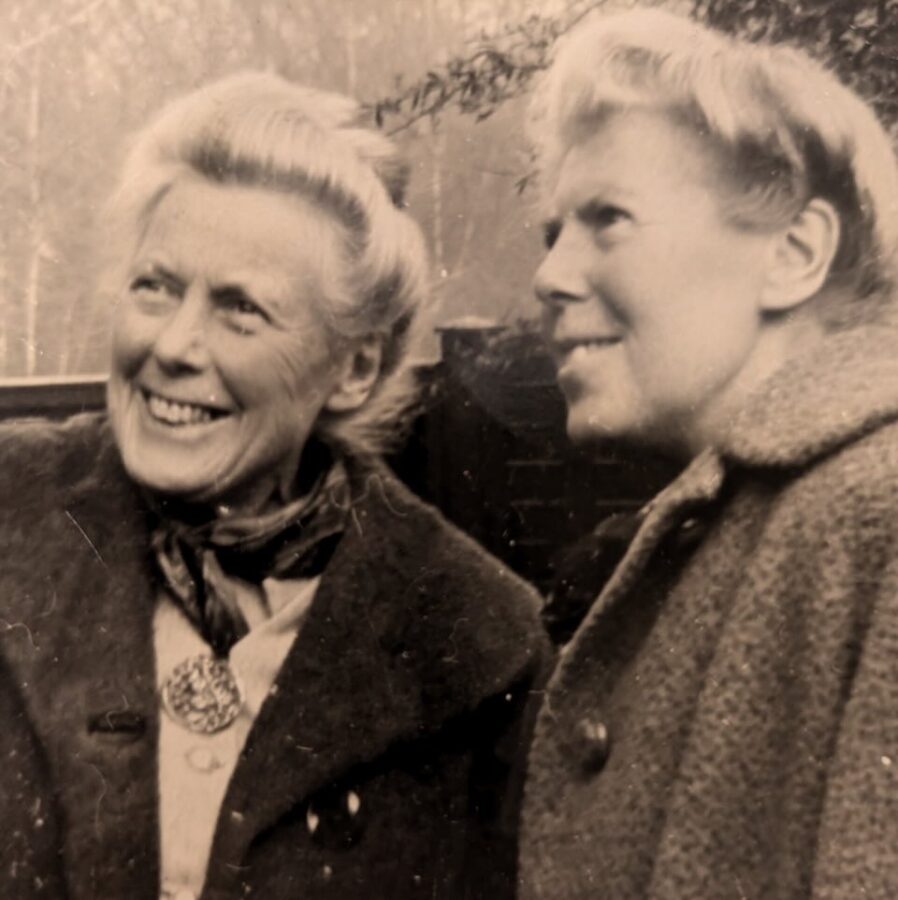
Murial and Doris Lester
Minnie Lansbury (1889-1922)
Minnie Lansbury is best known as one of the 30 Poplar Rebel Councillors, who in 1921 protested a tax they felt was unfair to poorer London boroughs. Their actions resulted in prison time for them all. Before all that, Minnie had been an extraordinary infant welfare reformer.
Coming to power in the 1919 Labour landslide in Poplar, the former teacher and Jewish coal merchant’s daughter focused her work on the care of mothers and babies. As part of the Public Health Committee (PHC), Minnie established an infant welfare centre, dental clinic and smallpox vaccination drive, and moved the Poplar Dispensary for the Prevention of Consumption (Tuberculosis) into public ownership. This enabled the PHC to set up an open-air nursery for children at risk of contracting the disease and provide free milk and meals for those infected. By the end of 1920, the borough recorded the lowest levels of infant mortality ever, providing a blueprint for the NHS.

A monthly dose of our best articles direct to your inbox
Amy Ashwood Garvey (1897-1969)
While many have heard of the celebrated Pan-Africanist, Marcus Garvey, his ex-wife Amy Ashwood Garvey is less well known. Like Marcus, she was born in Jamaica and moved with him to New York in 1918, becoming an influential figure in the Universal Negro Improvement Association.
Following a bitter divorce, Amy moved to London. In 1936, she opened The Florence Mills Social Club on Carnaby Street with pioneering Trinidadian recording artist and singer, Sam Manning. As the first Caribbean restaurant in Britain, the couple brought a taste of the Harlem Renaissance to the capital.
As well as great food, music and dancing, the club became the centre of political debate for the Black community. Luminaries like Paul Robeson and CLR James visited, and the International Friends of Abyssinia was formed there. The club was not just a backdrop for political change – its mix of jerk chicken and Calypso music created a particular type of Pan-African comradeship that could not have fermented in the British Library.
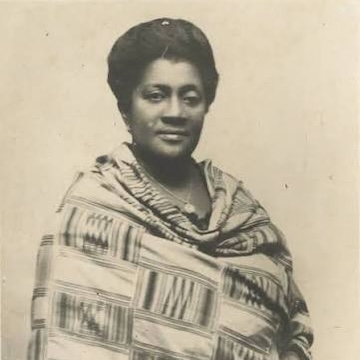
Amy Ashwood Garvey
Anny Brackx (1945-present)
New York, 1969: a powder keg of police harassment and civil unrest sparks a riot outside the Stonewall Inn,leading to the formation of the Gay Liberation Front (GLF) and first ‘Pride’-style protest march. By 1970, the movement reached London.
Anny Brackx was one of only a few women in GLF London and helped establish its famous manifesto. Anny also experimented with different forms of living and helped set up several women-only communes in Hackney, where fixed gender roles were rejected and children were the shared responsibility of the group. By the late 1970s, there were an estimated 50 women-only squats in Hackney.
While GLF London was short-lived, the squatting scene continued into the 90s. Doing up a run-down property provided training for women in manual trades, such as plumbing and electrics, setting up some of London’s first professional female tradespeople – on whose shoulders the likes of Green MP Hannah Spencer now stands.
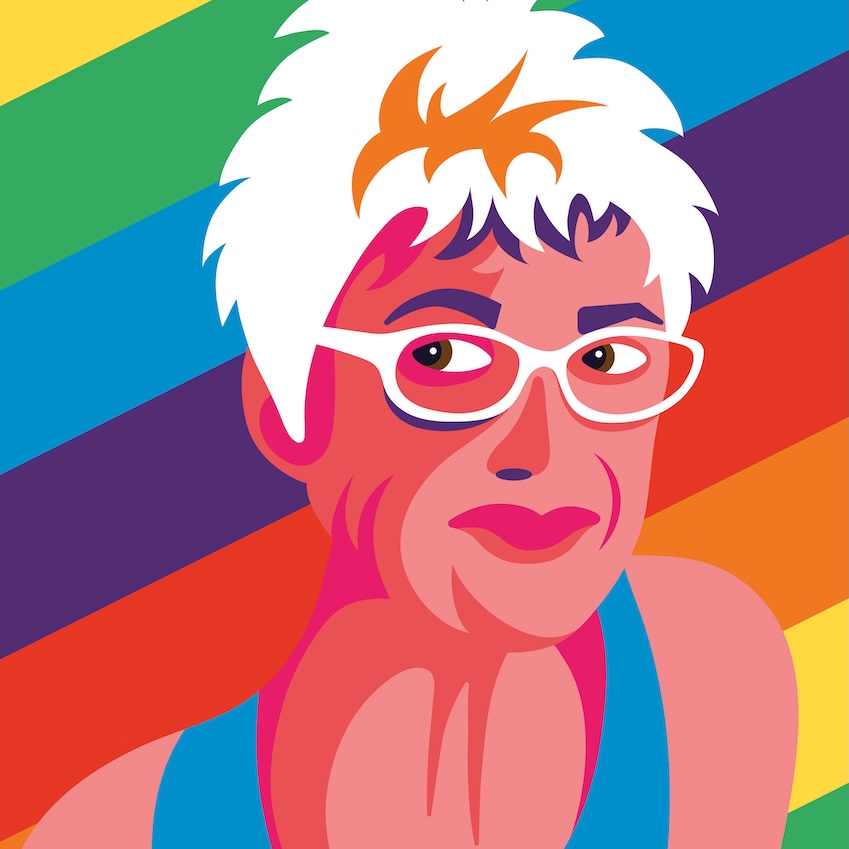
Anny Brackx
CREDIT: LAURA GREENAN
Julie Begum (1968-present)
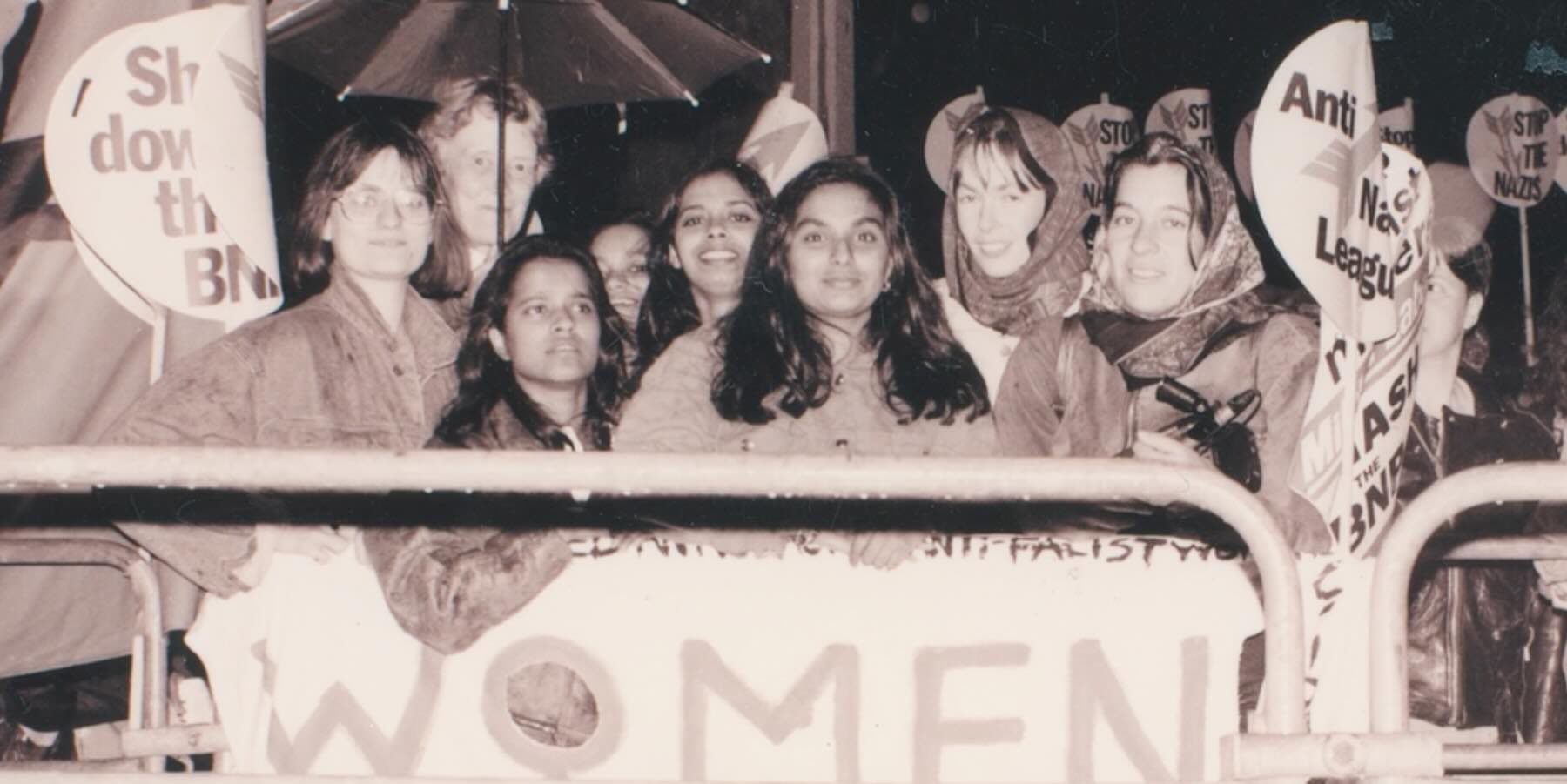
In 1978, Bangladeshi textile worker, Altab Ali, was murdered on the streets in Whitechapel. The killing marked a turning point for the South Asian community, who began organising against the far right. However, many prominent anti-racist groups were run by men, with women feeling sidelined. They started their own organisations, including Women Unite Against Racism, which formed following the election of Derek Beackon, the first British Nationalist Party (BNP) councillor in Tower Hamlets.
Julie Begum was one of the founding members. Inspired by the US Black civil rights movement, she helped pioneer a voter registration campaign, ensuring information was available in a variety of languages. As BNP supporters adopted intimidation tactics around polling stations, using the threat of violence to keep people away, Julie helped organise escorts so women could safely cast their vote in the 1994 election. Voter turnout rose from 44 to 66 per cent, and Beackon lost his seat. ‘It was amazing, it was euphoric’, said Julie. The BNP never returned to Tower Hamlets Council.
