
In Britain, addiction is most visible as spectacle. A headline, a warning, a crisis to be managed. Yet the people living through it remain curiously out of frame. Their experiences surface as data, evidence of a problem already defined elsewhere. What dominates instead is a language of moral outrage, mediated via fear, pity, and control, that reveals far more about power than it does about addiction itself. This isn’t incidental. Addiction doesn’t sit outside politics. It’s shaped by political conditions, narrated through political frameworks, and made to serve political ends.
The pattern is familiar. In the mid 1980s, the US government’s response to the crack epidemic in Black communities translated panic into policy, and policy into punishment. What followed was containment rather than care: intensified policing, mass incarceration, and the expansion of a punitive state. As scholars like Michelle Alexander have shown, drug policy became a mechanism for reorganising racial control under the guise of neutrality. Addiction was folded into governance.
Britain tells a different story about itself, but the structure remains recognisable. Addiction is framed at the level of the individual, while the conditions surrounding it recede. Austerity has hollowed out mental health provision, stripped back youth services, and left addiction support underfunded. At the same time, enforcement falls unevenly. Black communities are more likely to be stopped and searched for drugs, despite similar rates of use. Economic, social, and psychological pressure accumulates until they become visible through the crisis of addiction, at which point attention narrows to the individual.
A moral or political problem?
Patterns of addiction in the UK follow the contours of political marginalisation. LGBTQIA+ people report markedly higher rates of substance use: gay and bisexual adults were nearly four times more likely to have used illicit drugs than the general population in 2022, while 1 in 6 LGBT people report drinking daily, compared to 1 in 10 overall. Bisexual people show consistently higher rates across categories, and research suggests over half of trans people in some UK contexts display signs of problematic drug use. Alongside this, Black adults report higher levels of drug dependency (7.5 per cent compared to 3 per cent among white British adults), with particularly high rates among Black Caribbean men. Deprivation compounds the risk, with higher drug use among lower-income groups and 70 per cent of those entering treatment reporting co-occurring mental health needs.
These disparities reflect what is often described as minority stress: the cumulative impact of discrimination, social isolation, economic precarity, and uneven access to care. The same conditions that produce political marginalisation also produce vulnerability to addiction. Once produced, addiction is then depoliticised, reframed as a matter of bad choices, weak will, or personal pathology. On the right, this takes the form of moral judgement and criminalisation: addiction as deviance, to be contained. In more liberal framings, it becomes an issue of health, but one detached from its structural causes, something to be treated without transforming the conditions that made it inevitable. Structural harm is redistributed downward, where it is experienced as personal failure rather than collective injury.
This arrangement isolates experience and disperses anger. It supports a landscape in which policing expands while care contracts, and where that imbalance appears reasonable. Addiction circulates as evidence of disorder rather than strain within the system itself. Moral panic sharpens the effect, compressing complexity into threat, directing attention to visible harm while leaving its context untouched. As Stuart Hall argued in Policing The Crisis, these moments organise consent, aligning fear with repression. Within them, the ‘addict’ becomes a figure onto which anxieties about race, class, disorder, and decline are projected.
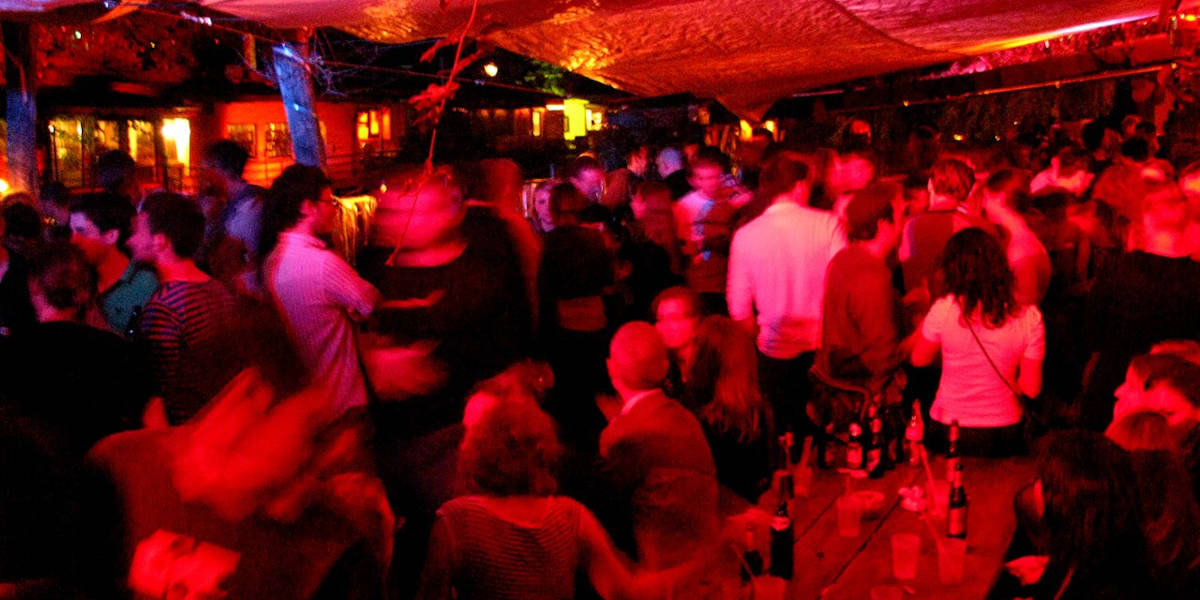
For a queer Black person in the UK, these dynamics are not theoretical. Addiction, for me, took shape within a landscape marked by rising queerphobia, structural racism and social marginalisation. The impulse to disappear made sense. To step back, to soften the edges, to seek out pleasure or numbness. Hedonism was a way of managing pressure that felt unrelenting. Substance use was a form of adaptation. But adaptation carries costs. Numbness fragments attention and disrupts continuity. What begins as coping can settle into withdrawal, leaving the structures producing that pressure undisturbed. The turn inward, towards substances, towards oblivion, can become politically neutralising, even as it remains understandable.
While addiction numbs, sobriety raises consciousness
However, there are other ways of reading this terrain. In the epilogue to A Burst Of Light, Audre Lorde’s insistence that self-preservation is political reframes survival as contested. Care becomes a political strategy. As José Esteban Muñoz suggests in Cruising Utopia, queerness can function as a refusal of the present as it is given, a way of insisting on other ways of living in a world that renders some lives disposable. Sobriety sits within this tension. It is often narrated through recovery and self-improvement, terms that flatten the conditions that make it necessary. Another reading comes into view when those conditions are held in place.
Getting sober opens the possibility of re-engagement. A return to clarity in a context that rewards disconnection. A way of remaining present to what is happening, rather than being pushed to the margins of it. This involves encountering the pressures that made escape appealing without the buffer of numbness. That encounter creates the conditions for recognition of patterns, structures, and shared experience. From there, other possibilities emerge. Connection, solidarity, and a refusal to be governed under oppressive conditions.
Suspicion toward sobriety on the left often draws on its association with discipline and neo-liberal respectability. Those associations remain real, but they do not exhaust what sobriety can mean. Where exposure to harm is structured and protection uneven, the effort to remain present takes on a different significance. It becomes a question of capacity: the ability to stay with oneself, to remain in relation to others, to respond to one’s political environment. That capacity does not resolve the conditions in which it emerges, but it alters how they are lived.
If addiction takes shape within political conditions and circulates through political narratives, then recovery moves within that same terrain. Its meanings shift depending on who is speaking and where it is located. Attending to those meanings requires a shift in focus towards voices that have been marginal, towards experiences that unsettle the dominant frame. Power depends on fragmentation, on experiences remaining isolated, privatised, and difficult to name.
Sobriety, in this sense, offers a route back into the world. A re-entry that carries risk, clarity, and the possibility of resistance. Staying sober, then, is a radical act. Paying close attention is political in and of itself. It is perhaps no wonder, then, that a poem entitled ‘Invitation’ by Mary Oliver has lingered in my mind throughout the writing of this essay. The average reader might not pull meaning from the text in the way I do – there are many things in this world that emphasise that distinction. If living a sober life has taught me anything, though, it’s that new and untypical perspectives should excite us. Seeing life through a sober lens can feel like an urgent jolt, but in the end, it sets us free.
‘It is a serious thing’ Oliver writes, ‘just to be alive / on this fresh morning / in this broken world’

