





-
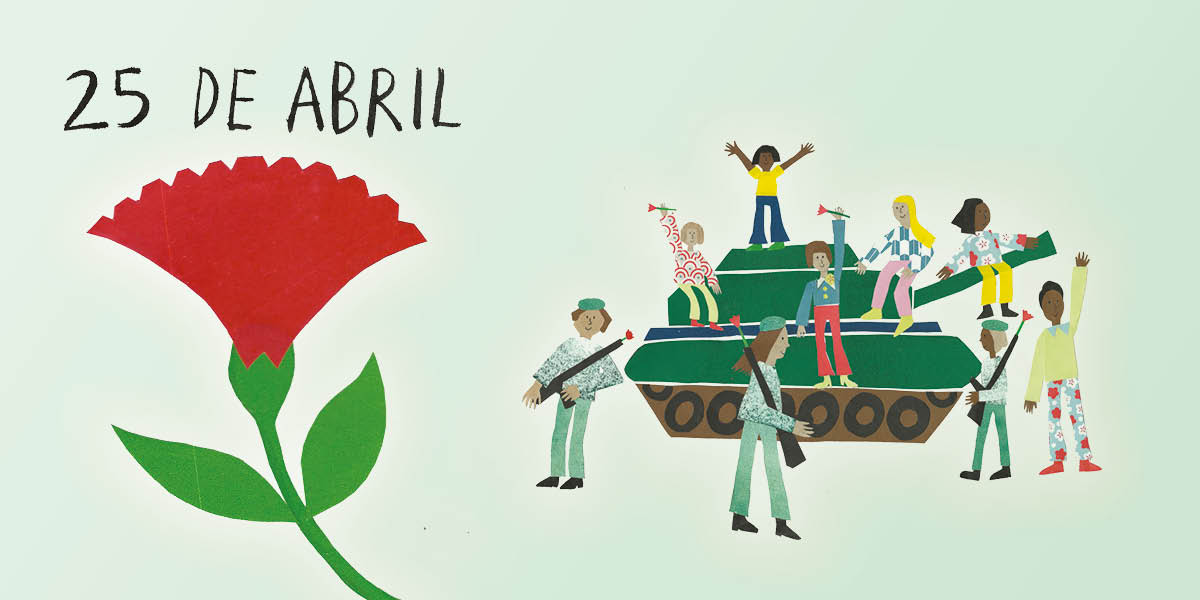
Portugal’s forgotten revolution
The ‘carnation revolution’ saw soldiers, workers and communities join forces to overthrow fascism and challenge capitalist power. Peter Robinson traces events from April 1974
-

Neoliberal economics is killing the arts
Funding cuts and reduced access are cementing the arts as a privileged realm. It’s time to resist ‘art-as-capital’ thinking, argues Tim Lutton
-
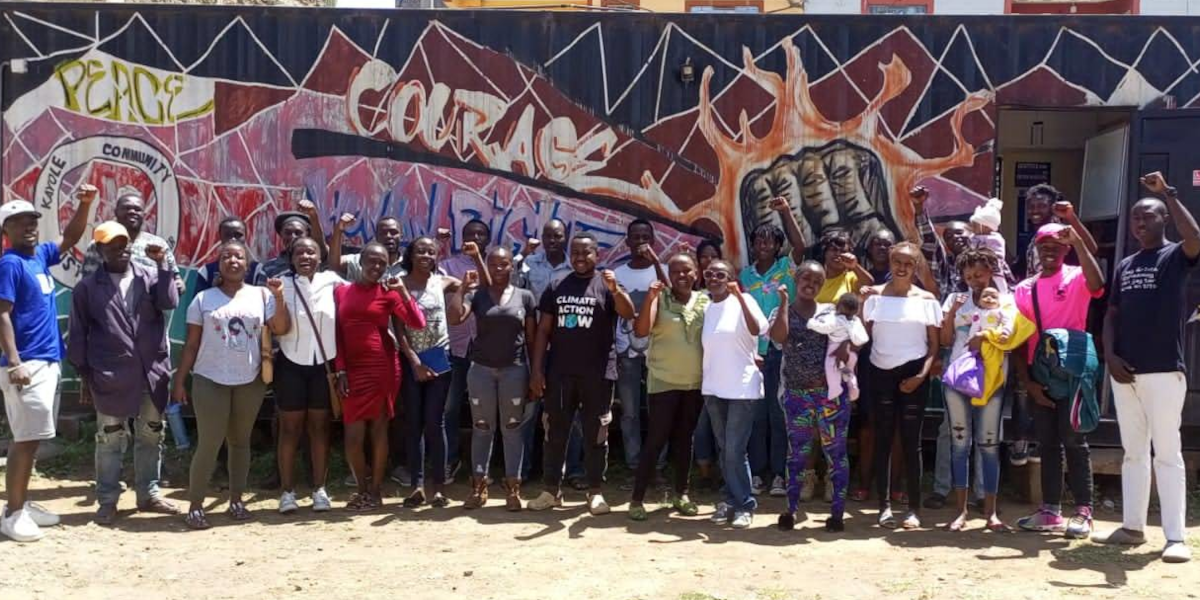
Fighting Kenya’s femicide
Grassroots socialist and feminist organizing in spaces like Kayole Social Justice Centre, Nairobi, are leading the fight against patriarchy, capitalism, and a colonial present, writes Maryanne Kasina
-

The Iron Dome is global – and so is the resistance
In her powerful speech at ‘Still We Rise’, Naomi Klein argues that global political classes are united behind a shared supremacist vision in their defence of Israel’s crimes
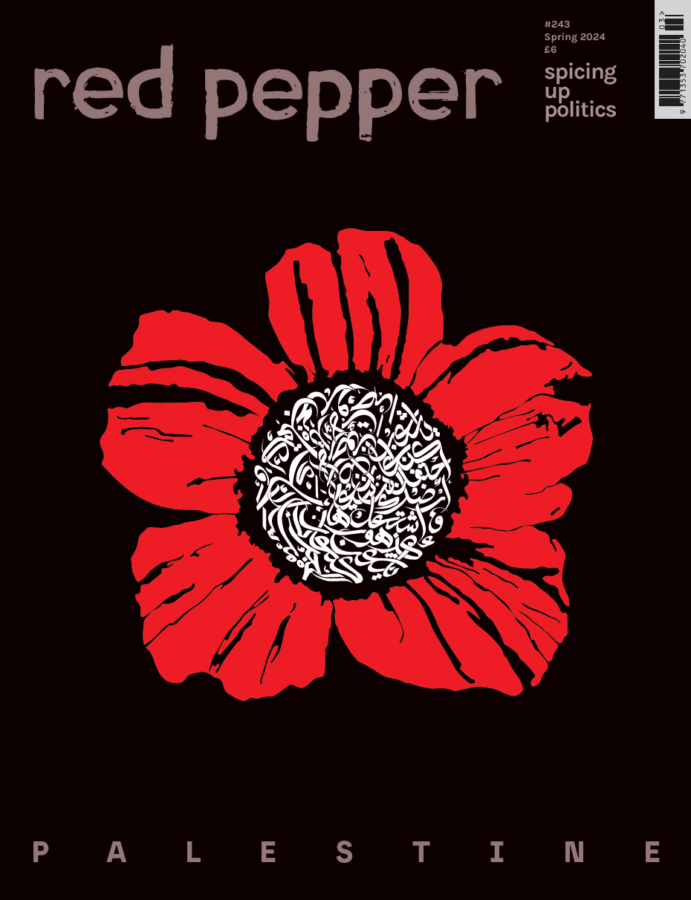
Current issue
Spring 2024
#243
-
For Palestine, bring the Hague home!
The genocide in Gaza demands we fight for Palestine, by targeting circuits of power elsewhere. Toufic Haddad writes from Jerusalem
-
Islamophobia and spectacles of Muslim death
Bad-faith policing of anti-semitism has led to rampant Islamophobia. In the global north, we have become conditioned to watching Muslims die, argues Maura Finkelstein
-
Keir Starmer’s bad history
With his insights as a historian of the modern UK, David Edgerton looks at Labour’s new affinity with the Tories
-
Listening with Stuart Hall
The academic and activist died ten years ago. Dialogue and engagement were among his many lasting gifts, write Yasmin Gunaratnam and Mike Dibb


From our archive
-

Four myths about antisemitism
Antisemitism is a growing threat. Understanding it is a matter of urgency for everybody, writes Barnaby Raine
-
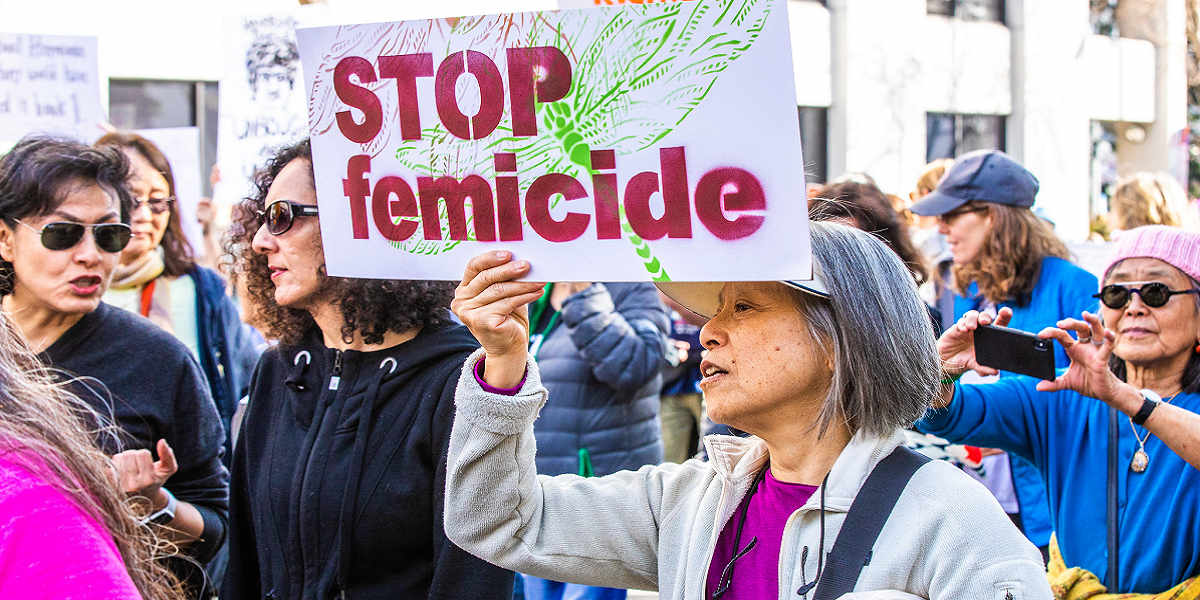
The lies we tell about men who kill
Mental health crisis is often used to explain mass murder. The framing only detracts attention from tackling misogyny and male violence, argues Alex Birch
-
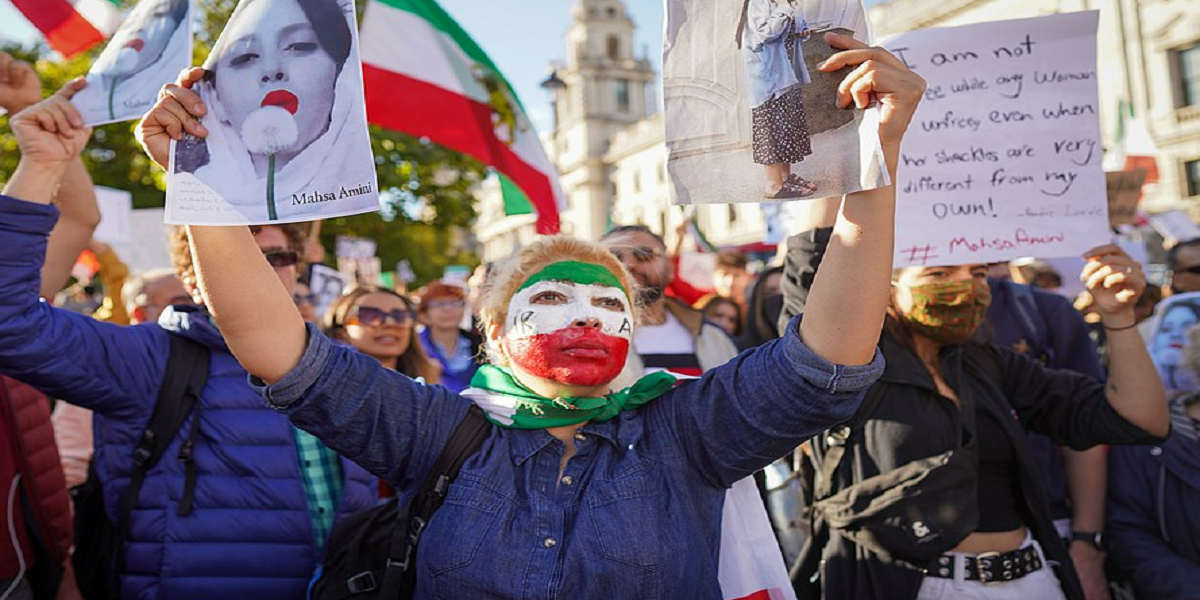
Mahsa Jina Amini’s death sparked an ongoing feminist revolution in Iran
Women, and particularly young women, are leading an increasingly noisy revolution against Iran’s theocracy, writes Ahou Koutchesfahani
Subscribe to Red Pepper Magazine
Fed up with the mainstream media?
Support radical, challenging, independent media instead!
Subscribe now to receive the quarterly print
magazine delivered to your door.
Plus access to our full digital archive –
over 230 issues going back to June 1994!
SUBSCRIPTIONS ALSO
SUPPORT EMERGING WRITERS
AND FUND OUR EVENTS AND
CAMPAIGN WORK.
Choose how much to pay for your subscription


Get the latest articles and updates in your inbox
Sign up for our exciting Pepperista monthly email

About Red Pepper
Red Pepper magazine is a quarterly publication and website of left politics and culture.
We draw on socialist, feminist, green and anti-racist politics.
We seek to be a space for debate on the left, a resource for movements for social justice, and a home for open-minded anti-capitalists.